
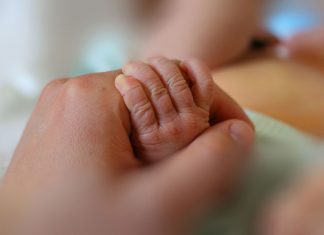
Study: Breastfeeding is recommended during pandemic
Breastfeeding sets babies up for good health across the lifespan. However, the COVID-19 pandemic is causing health-care providers to change the way they support...
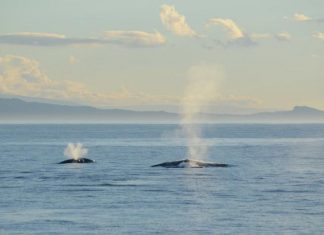
Study: New Zealand blue whale distribution patterns tied to ocean conditions, prey availability
Oregon State University researchers who recently discovered a population of blue whales in New Zealand are learning more about the links between the whales,...
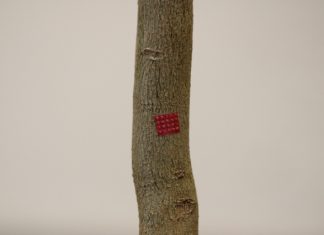
Researchers develop precision injection system for plants
While the human world is reeling from one pandemic, there are several ongoing epidemics that affect crops and put global food production at risk....

Research reveals important flowering plants for city-dwelling honey bees
Trees, shrubs and woody vines are among the top food sources for honey bees in urban environments, according to an international team of researchers....
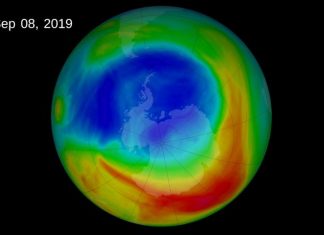
Study: Ozone Treaty Stopped Jet-Stream Drift in Southern Hemisphere
More than ten years ago, climate scientist Lorenzo Polvani and his then postdoctoral fellow Seok-woo Son led a study that found the closing of...

Report: Online exhibition features UM students’ artwork
A School of Art third-year photo projects class has launched an online exhibition of all-new photographic artwork about the COVID-19 pandemic.
An Isolated Moment at...
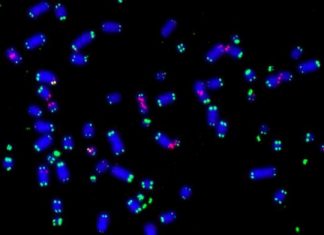
Scientists find protein that helps cancer cells to survive
In a new study, researchers from the University of Copenhagen have discovered two important functions of a protein called RTEL1 during cell division. The...

Device brings silicon computing power to brain study and prosthetics
Researchers at Stanford University have developed a new device for connecting the brain directly to silicon-based technologies. While brain-machine interface devices already exist --...
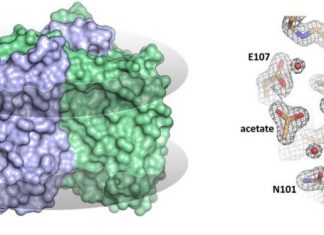
Scientists solve structure of ‘inverted’ rhodopsin
Researchers from the Moscow Institute of Physics and Technology, working with Spanish, French, and German colleagues, have determined and analyzed the high-resolution structure of...

Study: Fossilized footprints suggest ancient humans divided labor
The largest collection of footprints from the human fossil record in Africa is described in Scientific Reports this week. The findings, which further our...